
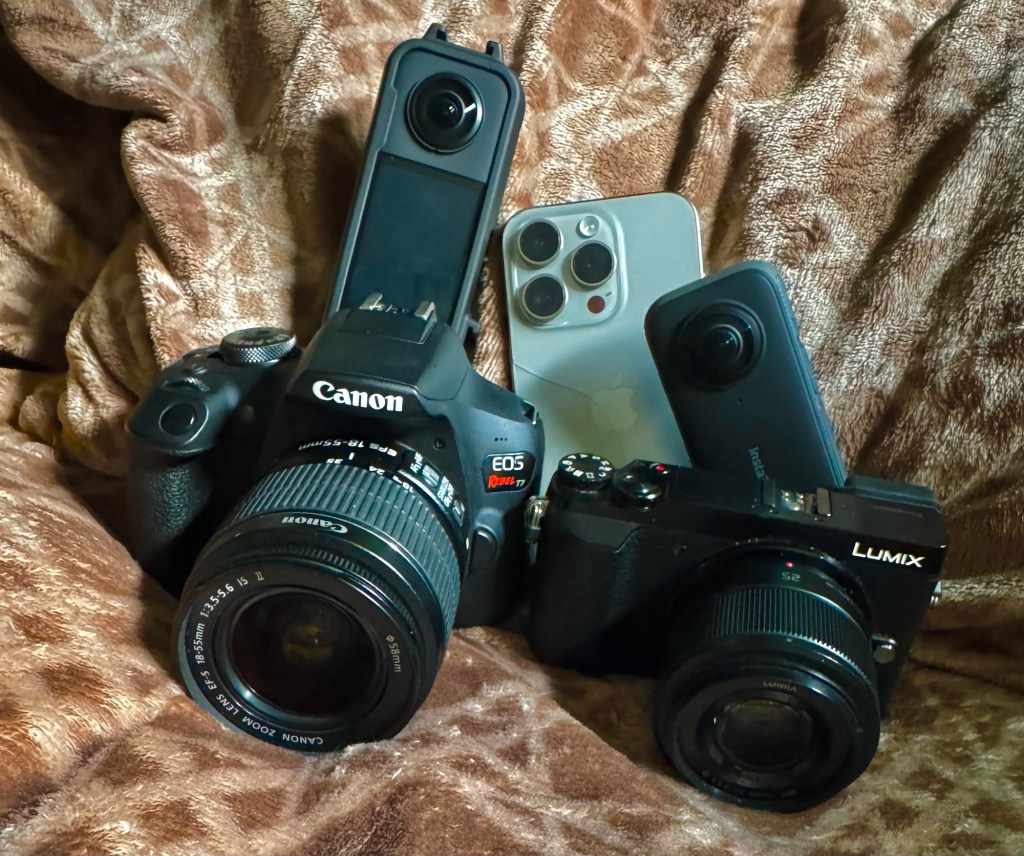
Sometimes I sit back and look at all the cameras I’ve collected over the years 🎥📸 and reflect on the journey.
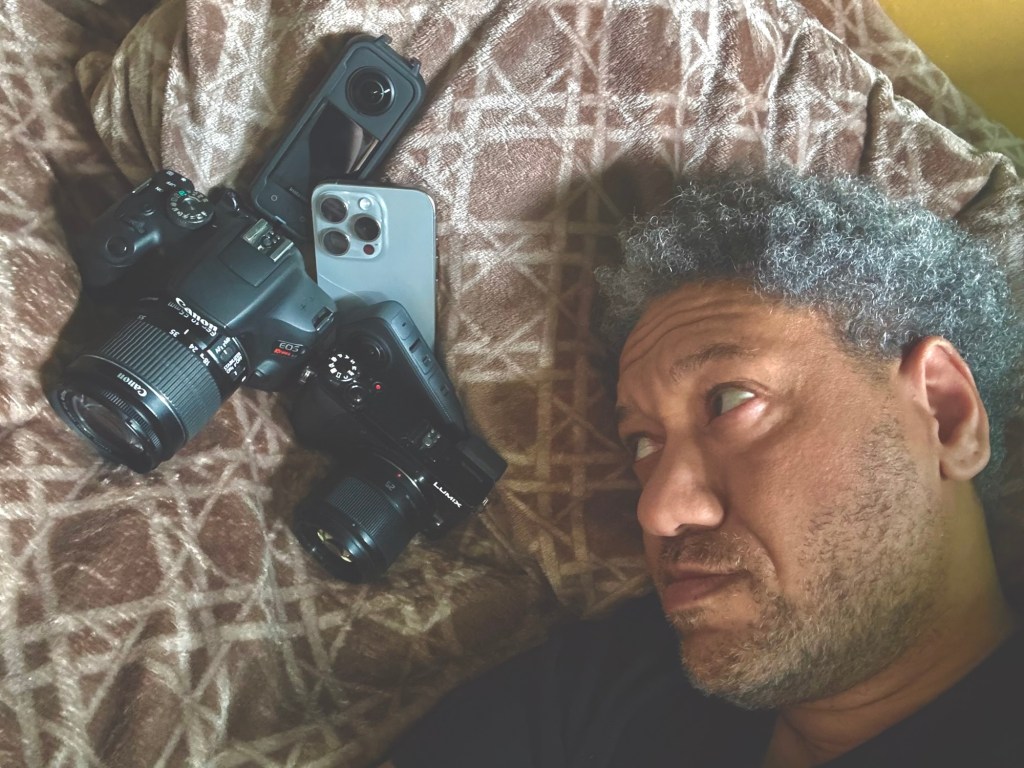
I’ve been recording music since 2007 and shooting videos since 2010. I didn’t get into this because I wanted to look like a professional. I did it because I truly love helping people tell their stories, share their music, and express themselves creatively.
Every piece of gear I own has been carefully chosen. I research for hours, save up, and buy what I can afford—not because it’s trendy, but because I know it will serve the artists I work with. My goal has never been to have the flashiest studio or the most expensive equipment. My goal is to create a space where people feel heard, respected, and proud of what we create together.
Running a recording studio and shooting videos in my community has taught me far more than technical skills. It’s taught me patience, empathy, and the value of meeting people where they are. I’ve recorded songs that are deeply meaningful to the artists who made them. I’ve shot videos on tight budgets, in imperfect locations, and still found ways to make them shine.
Sure, sometimes I catch myself comparing my work to others who have better cameras, bigger budgets, or more polished locations. That doubt is real. But even with that in the back of my mind, I keep going. Because at the end of the day, being professional isn’t about ego. It’s about showing up, doing the work, and caring about the people on the other side of the lens.
I’m also grateful to have support from Tender Hearts Crusades and a Neighborhood Connections grant funded by the Cleveland Foundation. Their sponsorship makes it possible for me to continue offering recording and video services to my community—especially to those who might not otherwise have access.
This work is about more than business. It’s about building trust, supporting artists, and telling the stories that matter. And that’s exactly why I’ll never stop.
#RecordingStudio #MusicProduction #VideoProduction #CreativeEntrepreneur #SmallBusinessOwner #Storytelling #CommunitySupport #ClevelandCreatives #BusinessEthics #GrantFunded #NeighborhoodConnections #TenderHeartsCrusades #ClevelandFoundation #DoWhatYouLove #ProfessionalJourney
 ClockWorkMuzik